Maintenance Tips
Just like we take care of ourselves, eat
the right things, and stay in shape, the same basic concepts apply to
keeping our cars in the best possible condition.
It’s always painful to have to dig into
savings to pay for car repairs and even more difficult lately with how
the economy is performing. But, to make sure we keep the value of our
cars (possibly your most important asset) and minimize repair costs,
here are a few simple, easy-to-remember tips on how to keep your car in a
tip top condition.
1. Oil
Oil is the blood of your car, and
without it, the car isn’t going to go far or quietly. Have your mechanic
demonstrate how to check your oil properly, and have the oil changed
every 5,000km. While oil manufacturers have claimed that
their oil can last 10,000km, it is generally best to use the same
oil for no more than 5,000 km to maximize engine reliability and
efficiency over the long term. Check the oil regularly, about once a
week, and change the oil or have it changed when you reach the 5,000km limit.
2. Maintain brakes, belts, and battery in good condition
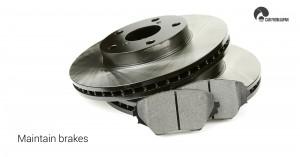
The braking systems of modern cars are
designed to be replaced periodically to maintain maximum braking
efficiency. If you notice ANY problems with the brakes, take your car to
have the brakes checked immediately. If the brakes fail, you can have a
very serious crash.
3. Heed warning signs
If your car’s dashboard lights
illuminate, give your trusted mechanic a ring. (You can also check your
handy owner’s manual too – ”learning the basics about your car and the
repairs you need will help establish a rapport and show your mechanic
you know what you’re talking about.). Delaying a repair could trigger
irreparable damage to the car and result in a painfully more expensive
fix. And make sure you know the fair price to pay for any upcoming
repairs or maintenance by checking the repair price before you take your
car in to the shop.
4. Always use reputable mechanics
Similar to having a great doctor we see
for our annual exam, it’s important to find an honest, trustworthy
expert auto technician. A fabulous mechanic will help make sure your car
is kept in good working shape. To find a good mechanic, take a look
around for dealerships that sell the particular car, comprehensive auto
shop directory. The old-fashioned referral from a friend works well too.
5. Keep the car body intact
While most people wouldn’t appear in
public unkempt, the cosmetic appearance of our car is important as well.
Simple things such as keeping your car washed, regularly waxed, and
ensuring dents and dings are taken care of, you’ll better preserve the
value of your car as well as prevent long term issues such as rust and
fading.
6. Keep the interior clean
Clean and vacuum the interior as needed.
The interior is often a point of selling power when it comes time to
trade the car in or sell it. While many may not care about the oil or
tires, if the CD player won’t work, or the interior looks a little
dirty, the deal is off. It’s been said that the value of the car is held
in the cabin, and that statement holds true. If you ever want to trade
the car in or sell it, every quarter spent at a pay vacuum will be paid
back to you with interest!
7. Use the right tires with the right inflate
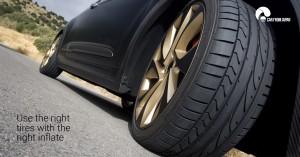
Make sure they are properly inflated to
the manufacturer’s specified pressure. Tire gauges are cheap and easy to
use. Tires should be replaced when tread wear indicators are showing
between the treads. Ask your local tire dealer if you are unsure how to
identify tread wear indicators. Check your tires every other day for
pressure and every week for wear or damage. Have them replaced when they
become worn beyond acceptable limits
8. Ensure windows are clear and functional
Make sure that all windows, mirrors and
lights are clean and not broken. Replace any broken lights or mirrors as
soon as possible. Have small windshield cracks by a windshield repair
center to determine whether the windshield can be repaired or needs to
be replaced. Check regularly for cracks and damage
9. Keep all fluids topped up
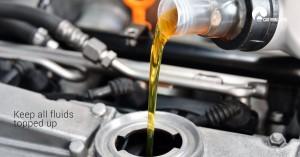
The other lifeblood of the car are the
fluids that the drive train must have. Coolant, power steering fluid,
transmission fluid, windshield washer fluid, brake fluid, and other
fluids need to be checked at a minimum of once per week. Ask your
mechanic to demonstrate the method to check these.
10. Emission control systems
Depending on where you live, you may be
required to get your car checked for emissions periodically. Generally, a
professional must perform the diagnosis. Oxygen sensors and EGR valves
are two common culprits
If you’re in the market for a new car, you can always treat yourself to royalty
Source:Maintenance Tips
Comments
Post a Comment